
Summer in Texas brings heat, and while your air conditioner works hard to keep your home cool, another essential appliance often gets overlooked: your refrigerator. An inefficient fridge can silently drive up energy bills and struggle to keep food fresh in the sweltering temperatures. Bob's Heating and Air Conditioning understands the importance of maintaining comfort and efficiency throughout your home, including ensuring your kitchen appliances are up to the task. Here’s how you can help your refrigerator perform optimally even on the hottest days.
Optimize Placement and Ensure Proper Airflow
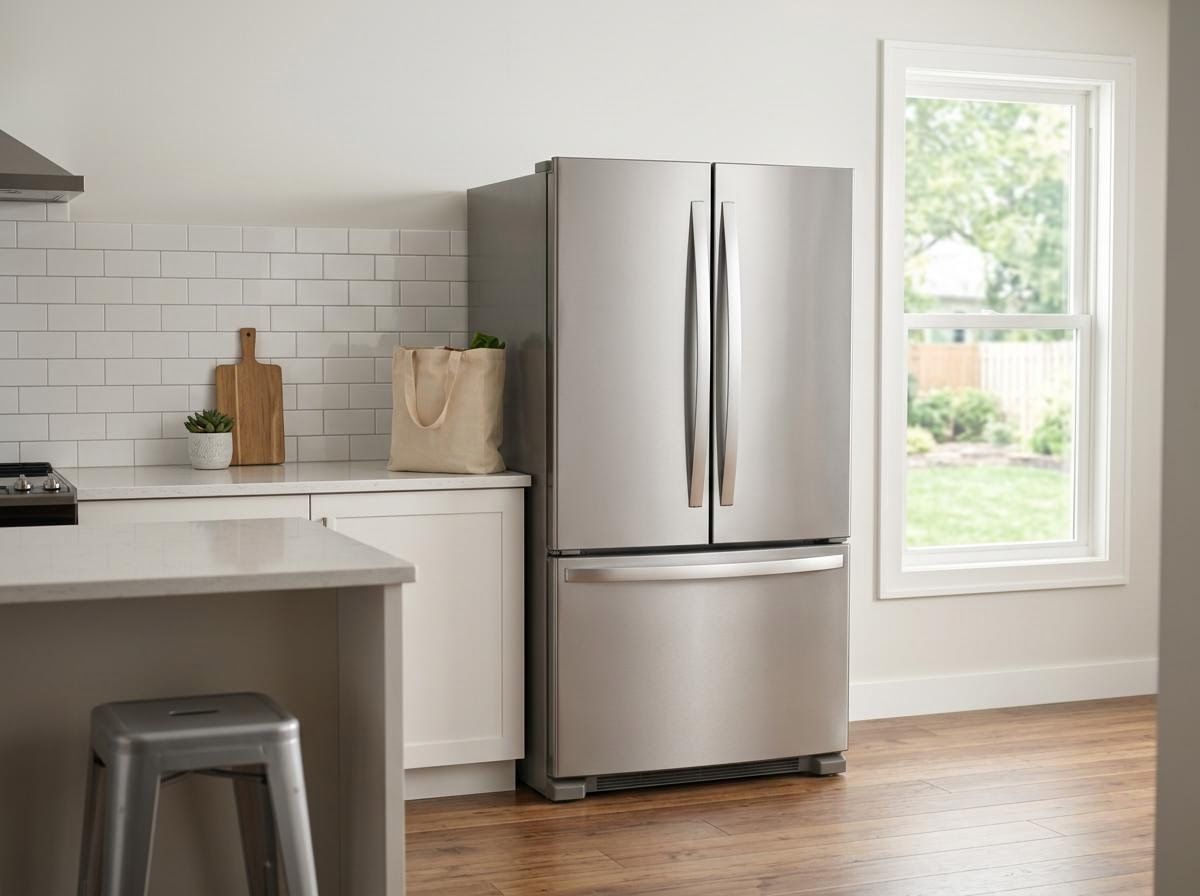
Your refrigerator is a workhorse, but its efficiency can be significantly impacted by its surroundings. First, avoid placing it in direct sunlight or next to heat-generating appliances like ovens, dishwashers, or even water heaters. These external heat sources force your fridge to work harder, consuming more energy to maintain its internal temperature. Second, ensure there's adequate space around the top and sides of the unit, and especially at the back, for proper ventilation. The coils on your refrigerator need to dissipate heat effectively, and restricted airflow can impede this process, causing the compressor to run longer and less efficiently. An experienced HVAC company often stresses the importance of whole-home airflow, and the same principle applies to your major appliances. Just as good air circulation is vital for effective HVAC services, it's crucial for your fridge's performance.
Inspect Door Seals and Set Ideal Temperatures
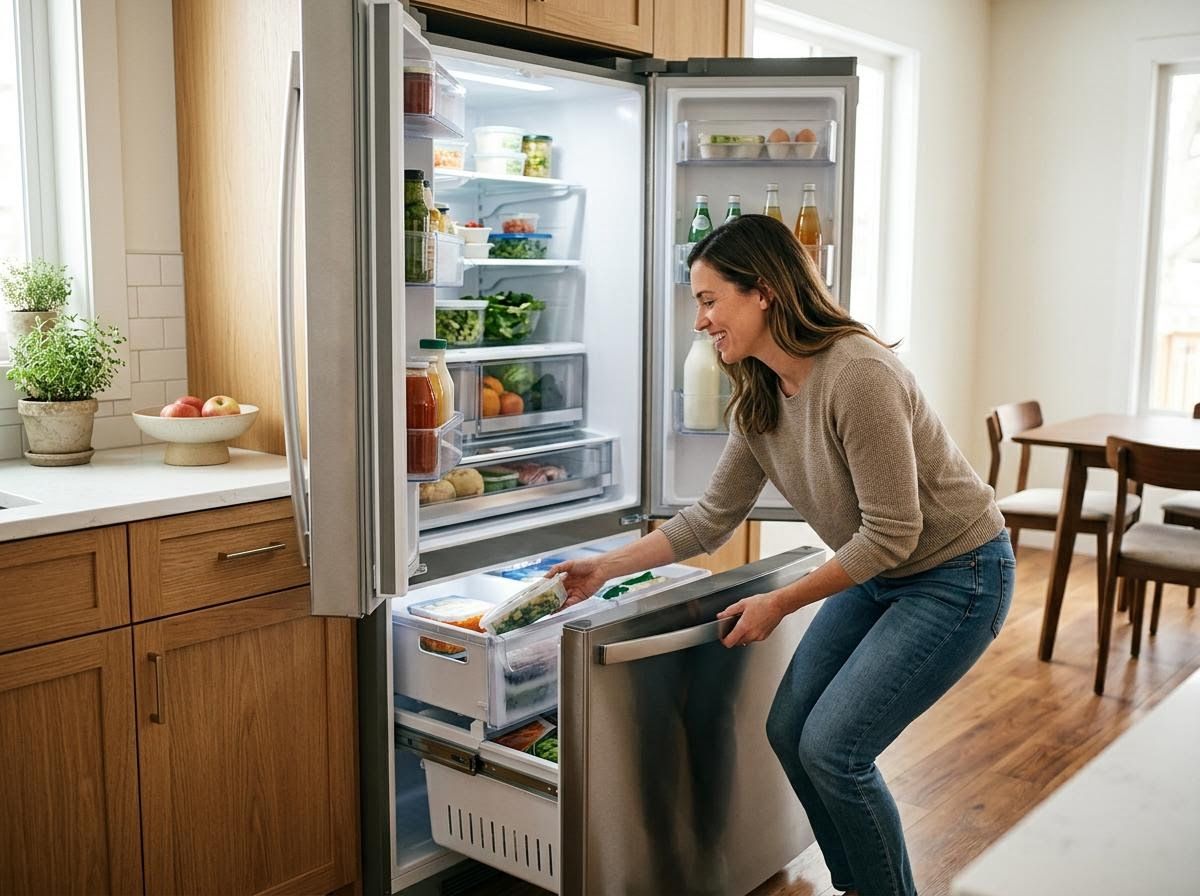
One of the most common culprits for an inefficient refrigerator is a faulty door seal. Over time, gaskets can become brittle, cracked, or loose, allowing cold air to escape and warm air to sneak in. You can test your seals by closing the door on a dollar bill; if you can pull it out easily, the seal needs attention. Replacing worn-out seals is a simple fix that can make a big difference in energy consumption. Additionally, check your refrigerator and freezer temperature settings. The ideal temperature for your refrigerator is typically between 35-38°F (1.7-3.3°C), and for your freezer, 0°F (-18°C). Setting temperatures too low forces the unit to work harder than necessary, impacting its lifespan and increasing energy use, much like neglecting timely AC repair can put unnecessary strain on your home's main cooling system.
Clean the Condenser Coils Regularly
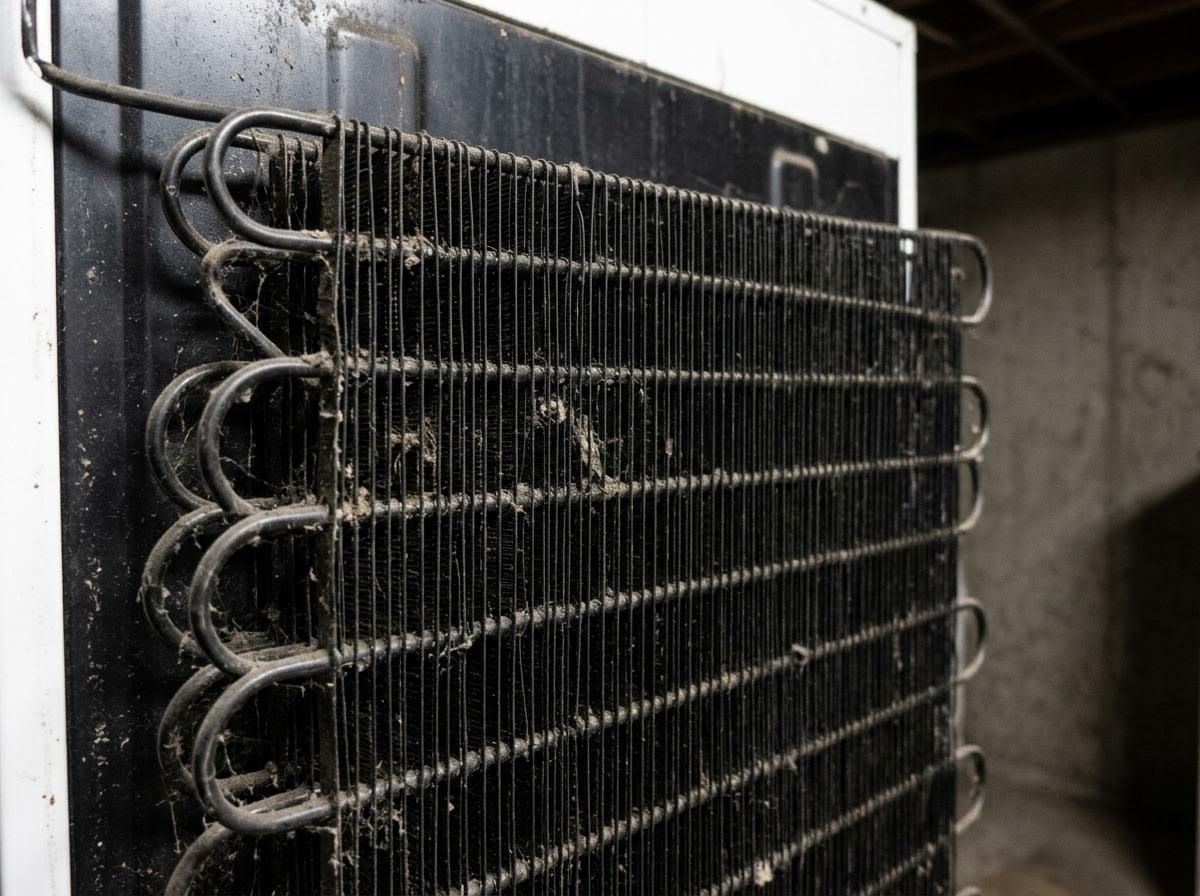
Often out of sight and out of mind, your refrigerator's condenser coils play a critical role in its cooling process. Located either at the back or underneath the unit, these coils release heat absorbed from inside the fridge into your kitchen. When they become covered in dust, dirt, and pet hair, they can't dissipate heat efficiently. This buildup acts as an insulating layer, forcing the compressor to work harder and longer, leading to higher energy bills and potential premature wear. Make it a habit to clean these coils at least once or twice a year with a coil brush or a vacuum cleaner attachment. This maintenance step is as important for your fridge as regular filter changes are for your home's HVAC system, preventing the need for emergency HVAC attention due to overheating or failure.
Keeping your refrigerator running efficiently through the Texas summer is about more than just preserving food; it’s about managing household energy consumption and ensuring your appliances have a longer, more reliable life. By following these simple maintenance tips – from ensuring proper placement and airflow to cleaning coils and checking door seals – you can significantly improve your fridge's performance. For comprehensive home comfort solutions, including top-tier HVAC installation, refrigeration, and duct cleaning services in Hereford and San Antonio, remember Bob's Heating and Air Conditioning is always ready to help. Reach out today to discover how our expertise can keep your entire home comfortable and efficient all year long.